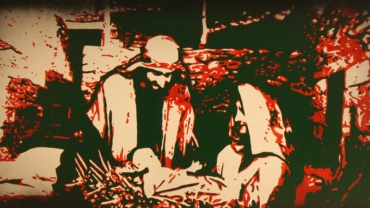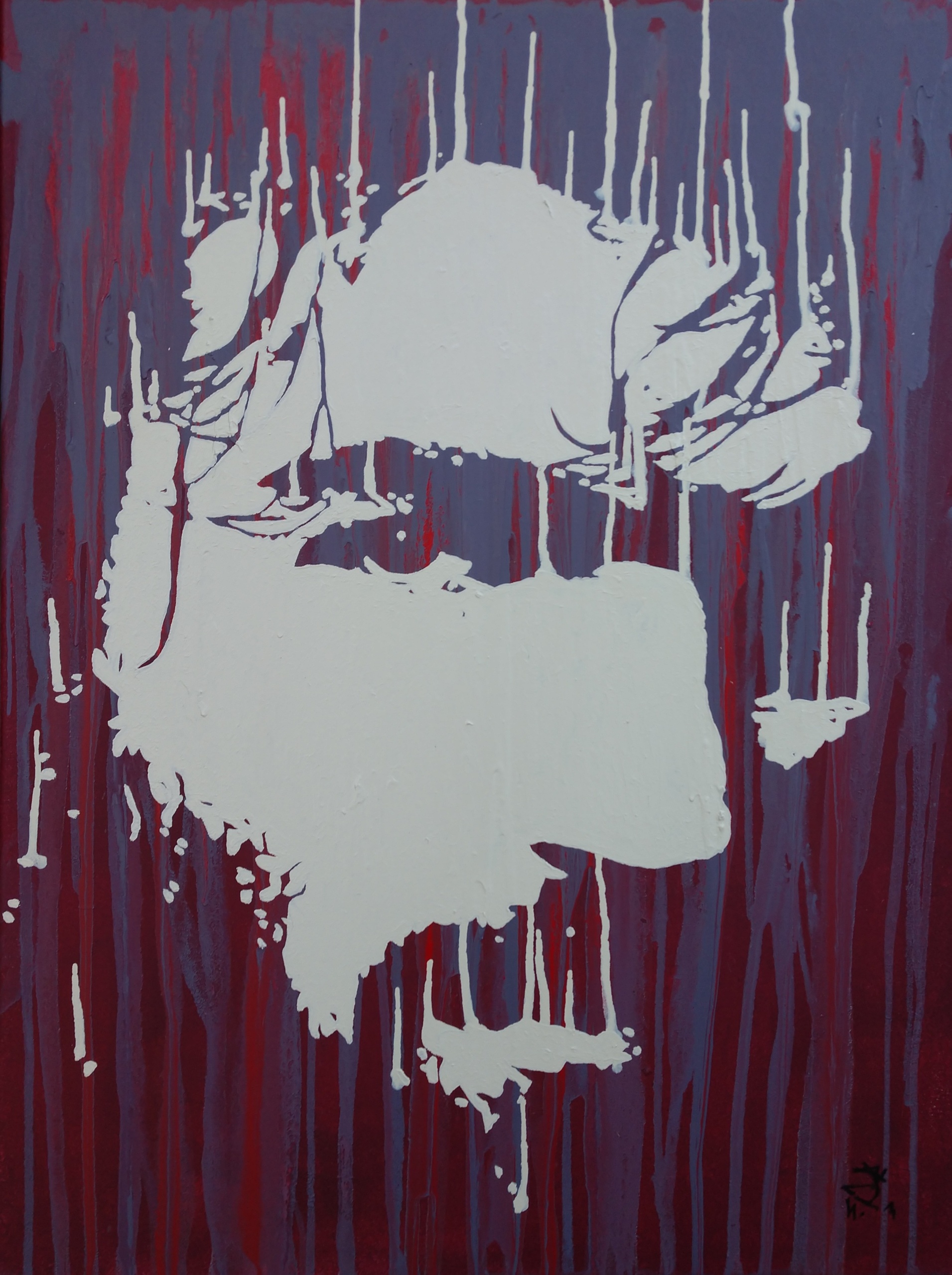

In Judges 7, God commanded Gideon to lead his army to the water, where He would separate the men according to how they drank. Most dropped to their knees, lowered their faces to the water, and satisfied their thirst. They surrendered their posture of readiness for the comfort of an easier drink. Their weapons were set aside, their armor abandoned, and their eyes turned away from the world around them. For a moment, their own needs took priority over their preparedness for battle.
But three hundred men did something different.
They knelt at the water’s edge, scooped water into their hands, and brought it to their mouths. It was neither the easiest nor the most efficient way to drink. Water slipped through their fingers, and some of what they desperately needed fell back to the ground. Yet they remained alert. Their weapons clenched, their armor in place, and their eyes fixed for danger.
They were willing to sacrifice a little of what they needed so that they would not compromise what God had called them to do.
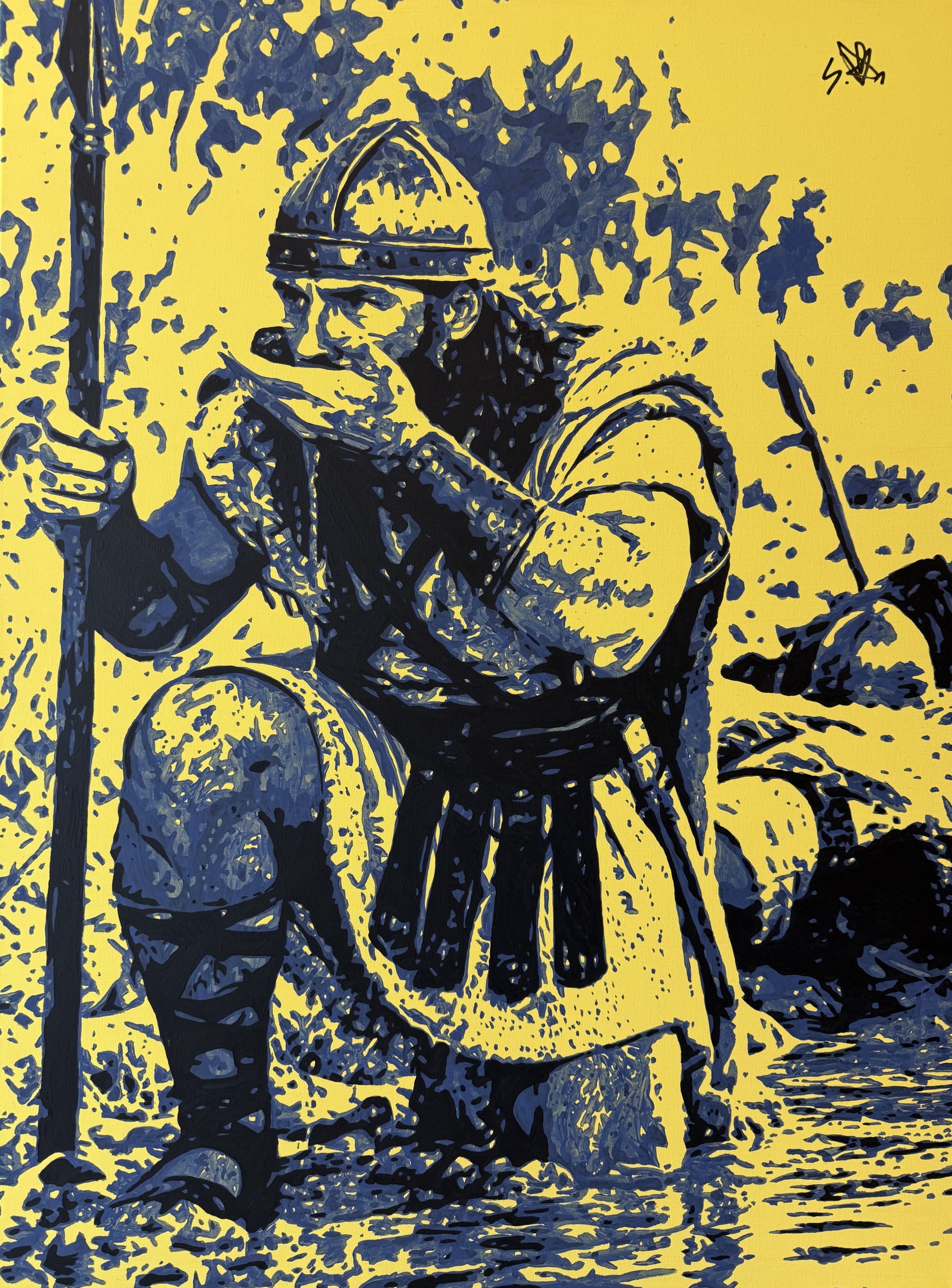
This painting captures that defining moment. The soldier in the foreground grips his spear while bringing water to his mouth. Even as he drinks, his attention remains fixed on the world around him. His thirst is real, but it does not command him. His need for rest is real, but it does not disarm him. Behind him, another soldier kneels with his face toward the water, having removed his helmet and set aside his equipment to satisfy the same thirst more comfortably. The contrast is not between two men with different needs, but between two men who respond differently when their needs compete with their readiness.
The colors reinforce that message. The brilliant yellow represents God’s Shekinah Glory, His divine presence surrounding the army. The deep blue represents vigilance, just as blue in the American flag symbolizes vigilance and perseverance. Together, these colors remind us that God’s presence does not eliminate the need for preparation. It gives our preparation its purpose.
And that brings us to the challenge before every Christian.
God has not called us to a life of comfort. He has called us to a life of purpose.
There will be times when obedience costs us something. Times when doing what is right is inconvenient. Times when our bodies are exhausted, and the temptation to put our own desires first seems entirely reasonable. There will be moments when we must decide whether to lay down our armor for a little comfort or remain prepared for the responsibility God has entrusted to us.
And we cannot afford to be unprepared.
The soldier in this painting is not fearless because he believes himself invincible. He is courageous because he knows whom he serves. He understands that his strength is not the source of victory. God is. His responsibility is to remain faithful, disciplined, and ready to answer when called.
Gideon’s three hundred would go on to face an enemy vastly greater in number, yet God delivered the victory in a way that left no doubt about whose power had accomplished it.
The lesson is as relevant today as it was on that ancient battlefield: God does not need overwhelming numbers, extraordinary resources, or perfect circumstances to accomplish His will. He calls for faithful people who are willing to obey.
So put on the full armor of God. Stand firm when others surrender. Remain watchful when others grow comfortable. When obedience demands sacrifice, give what is required. When you are weary, remember whom you serve. And when the battle appears impossible, remember what God accomplished through three hundred men who were ready.
You may be outnumbered. You may be exhausted. You may have to sacrifice something you desperately want or need. But you are not fighting alone.
Keep your armor on. Keep your weapon ready. Keep your eyes on the battlefield.
Stay vigilant. Stand firm. Give God everything you’ve got.